Questions and answers
Why does my commercial door scrape the frame?
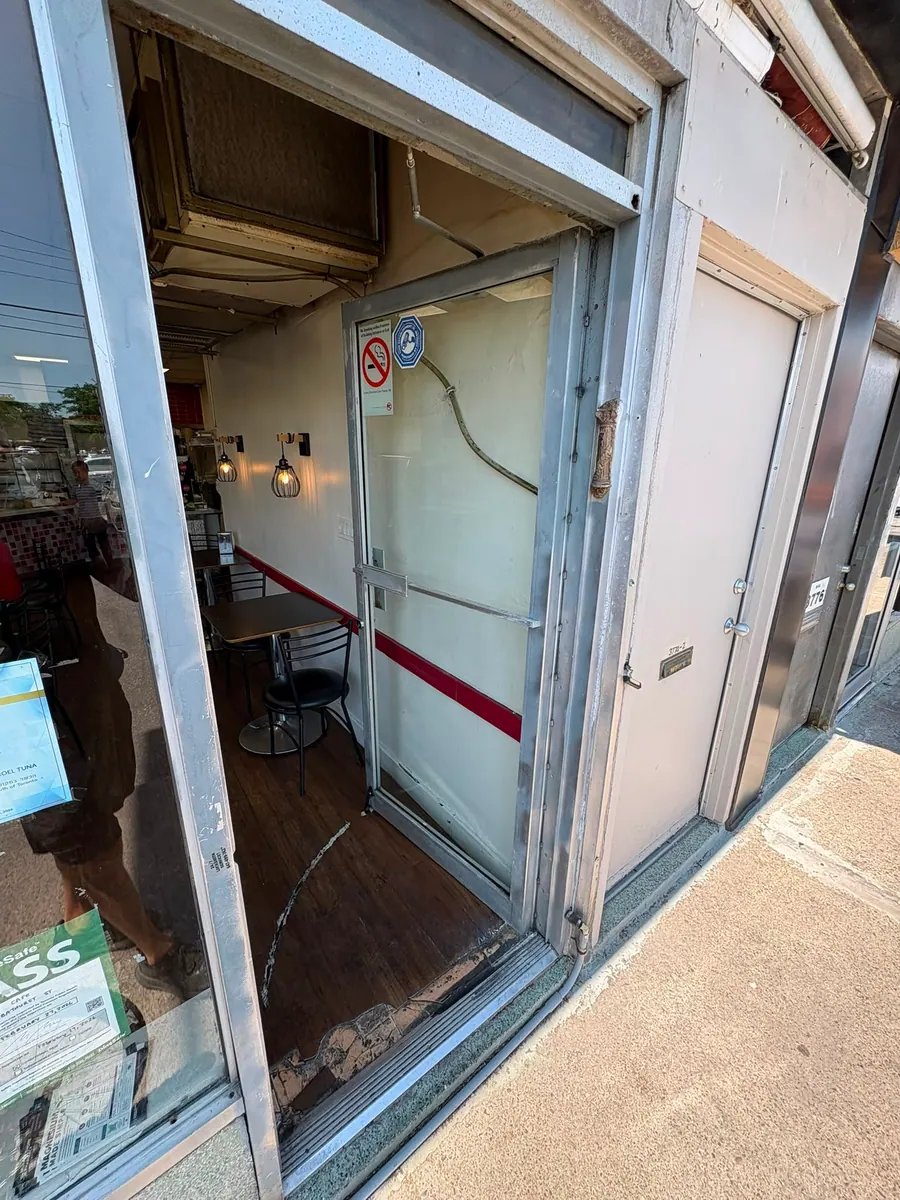
Scraping describes the symptom, not the failed component. The position of the leaf can change when hinges or pivots wear, fixings move or the surrounding frame distorts. Tell us where contact occurs and whether it happens throughout the swing. Inspecting those relationships helps determine whether adjustment, hardware replacement or a wider repair is appropriate.
Can a door closer be repaired without replacing the door?
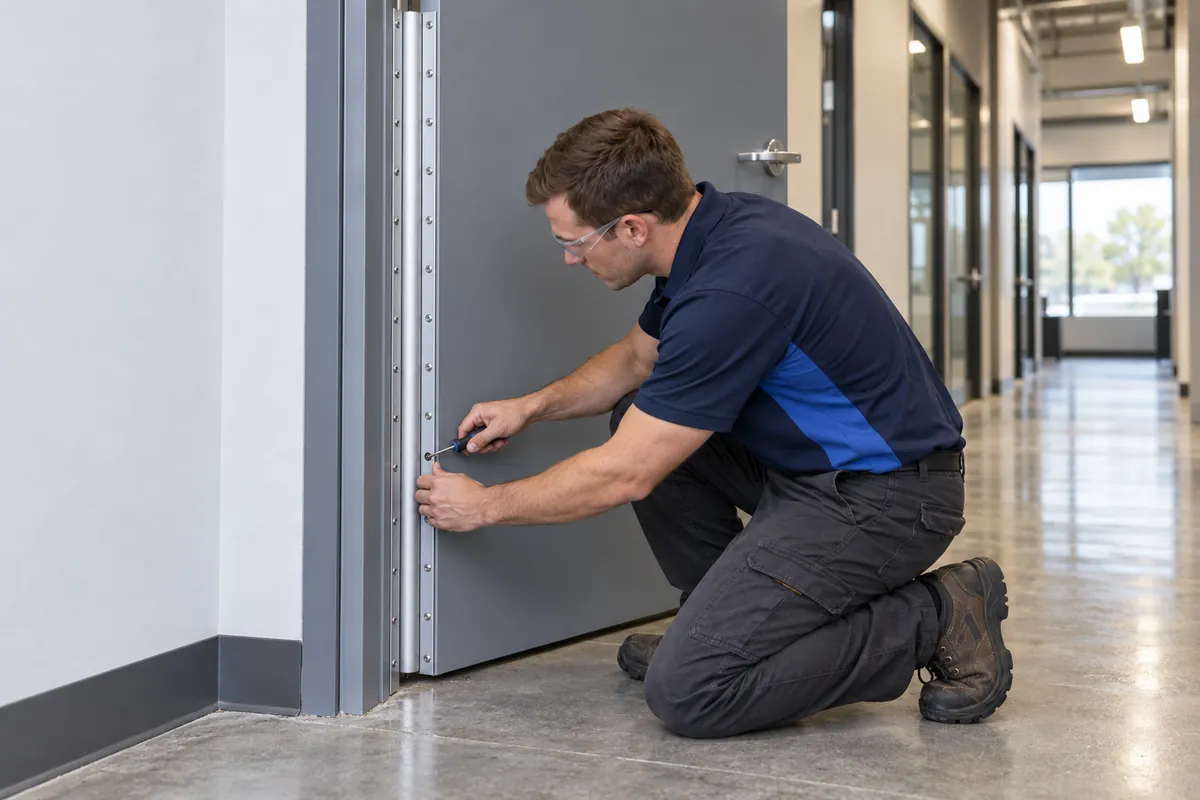
A closer and a door are separate components, so a closer problem does not automatically require a new door. The assessment should also check that the leaf moves freely and that its attachments are sound. Share any visible model information and describe slamming, drifting or stopping short rather than requesting a particular replacement in advance.
Why does the latch miss the strike?
The latch and its receiving plate need to meet correctly when the door reaches its closed position. Loose hinges, door movement or a displaced strike may change that relationship. A lock replacement alone may leave the underlying alignment issue unresolved. Explain whether the problem occurs every time and whether anyone has recently adjusted the hardware.
What should I do when a door will not close?
Keep people away from an unstable opening and contact the property manager if access or security is affected. Avoid forcing the door or making unfamiliar adjustments. Call TBC with the entrance location, the symptoms and whether it can be secured. Current availability and the appropriate next step must be confirmed for the actual situation.
Does an intermittent fault still need assessment?
An occasional fault can be difficult to demonstrate, so a brief record is useful. Note the time, normal direction of travel and whether the door had been held open or used for deliveries. A safe video can help explain the movement. Do not repeatedly operate a damaged opening simply to reproduce the fault for a recording.
How is a repair checked before completion?
Ask for the agreed scope to include normal opening, closing and latching checks, together with a demonstration of any changed hardware. Identify remaining limitations and any separate work that still needs approval. If several entrances are involved, use door identifiers so the completed repair can be matched to the original request and maintenance records.
Is repair always cheaper than replacement?
The initial price is only one part of the comparison. A compatible repair may be sensible when the door and frame are sound, while extensive damage or recurring failures can justify a replacement discussion. Ask what each option includes, what existing components remain and whether any unresolved condition could affect the outcome of the proposed work.
What information helps diagnose a closing problem?
Provide a wide photograph of the entrance, views of the hinge and latch sides and any visible hardware labels. Describe where the movement changes and whether the door can still be locked. Include previous adjustments or replacement parts if known. Photographs help prepare the conversation, but final diagnosis and measurements may require an on-site assessment.
Can you give a firm price from a photograph?
Photographs help explain the opening and prepare an initial discussion, but they may not show dimensions, concealed damage or component compatibility. Ask whether a figure is an estimate or a confirmed quotation and what it assumes. Final scope should identify the work, retained parts and any site information that must be checked before ordering or attendance.