Questions and answers
When should I consider replacing a commercial door?
Replacement deserves consideration when damage affects the door's structure, repeated repairs have not addressed the underlying problem or the opening no longer suits its intended use. The decision should include the frame and hardware rather than the leaf alone. Explain why replacement is being considered and ask which retained components will be checked before ordering.
Can the existing frame stay in place?
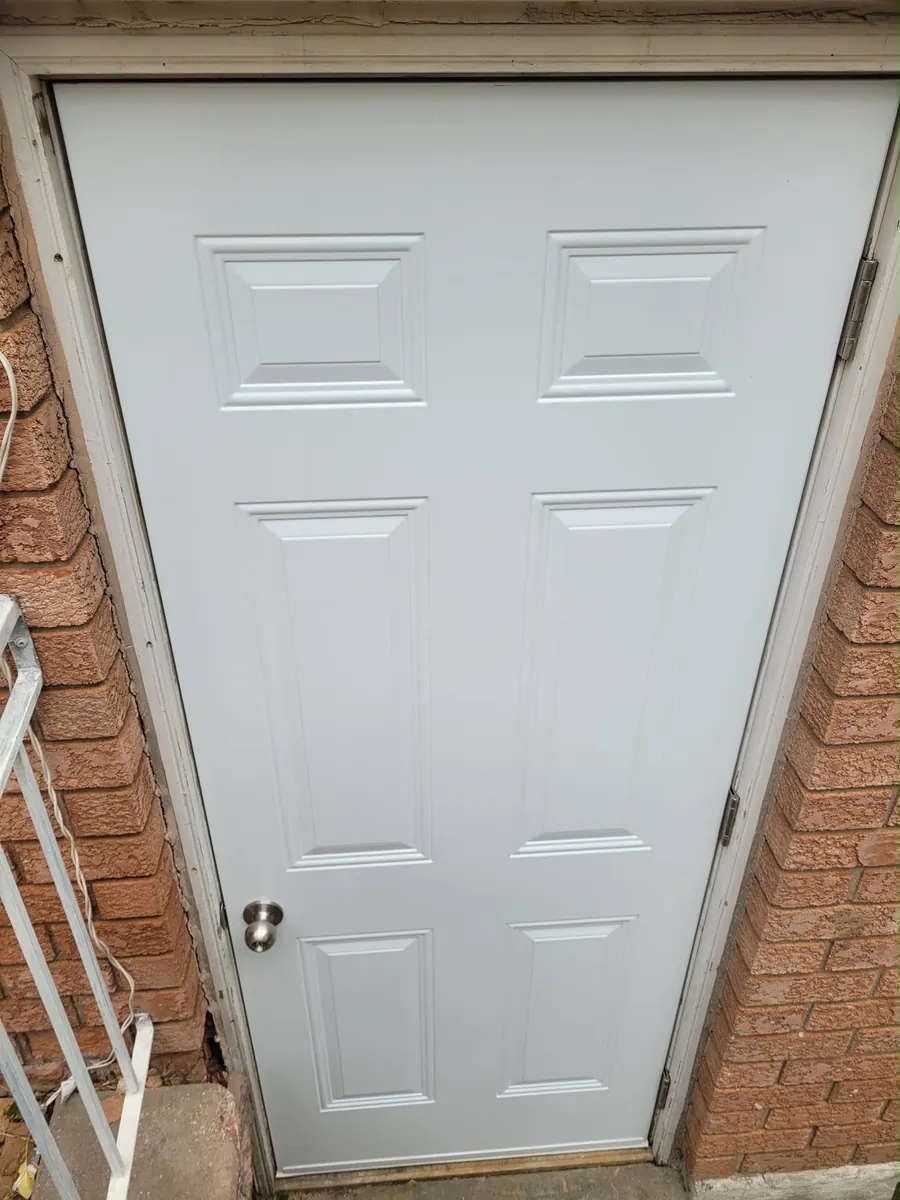
Sometimes, but the frame must be assessed for condition, dimensions, attachments and compatibility with the proposed door. Keeping a damaged or unsuitable frame can undermine an otherwise appropriate replacement. Photographs can start the discussion; final measurements and the condition of concealed or inaccessible details may need to be established during the site assessment.
What measurements are needed before ordering?
Approximate dimensions are useful for an initial enquiry, but they are not an ordering specification. The complete opening, handing, hardware positions, clearances and frame arrangement need confirmation. Share existing drawings if available and identify any labels. Avoid buying a replacement solely from the size of the visible door or an internet photograph of a similar entrance.
Can my business remain open during replacement?
That depends on the entrance arrangement, the work involved and the building's access requirements. Explain whether a separate approved entrance is available and when deliveries or customers normally arrive. Discuss the proposed sequence before booking. Do not assume the affected opening will remain usable throughout removal, fitting and the final operational checks.
Should the locks and closer be replaced too?
Retaining hardware may be possible if its condition, dimensions and function suit the new assembly. A replacement quote should say what is reused and what is new. Include any access-control connection or keying requirement at the start. A visually matching component is not necessarily compatible with the proposed leaf, frame or intended daily use.
What affects the price of a replacement?
Material, opening size, glazing, hardware, frame work and installation conditions all influence the scope. Finishing, removal and work around adjacent surfaces may also need to be identified. Ask for the proposal to distinguish included work from allowances or exclusions. A price based on photographs alone may need revision after dimensions and site conditions are confirmed.
How long will a replacement door take to obtain?
Timing depends on the confirmed specification, product availability and any fabrication required. A standard-looking door can still have specific preparation or hardware requirements. Ask separately about assessment, ordering and installation availability. TBC should confirm the relevant schedule for your project; this website does not promise a fixed delivery period or an automatic same-day replacement.
What should I check when comparing replacement quotes?
Compare the complete scope: leaf, frame, glazing, hinges or pivots, closer, lock, threshold, removal and finishing responsibilities. Confirm which existing parts remain and how operation will be checked. Differences in those details can explain a price difference. Keep an approved specification and record later changes so the final installation can be reviewed against the agreed work.
Can you give a firm price from a photograph?
Photographs help explain the opening and prepare an initial discussion, but they may not show dimensions, concealed damage or component compatibility. Ask whether a figure is an estimate or a confirmed quotation and what it assumes. Final scope should identify the work, retained parts and any site information that must be checked before ordering or attendance.